
-

Lung Volumes & Capacities
Lung volumes and capacities are critical indicators of respiratory health, measured through tests like spirometry and plethysmography. They quantify gas in the lungs during different respiratory phases. Key volumes include Tidal Volume and Residual Volume, while capacities, such as Vital Capacity and Total Lung Capacity, assess overall lung function.
-
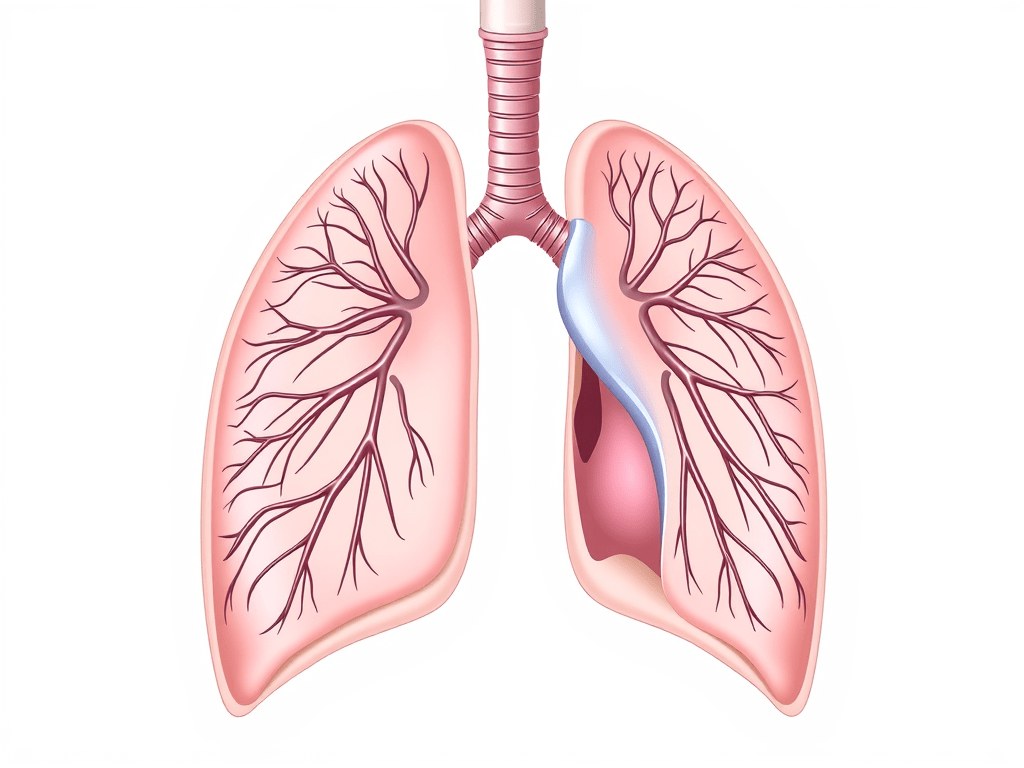
Pleura: Anatomy and Function
The pleura is a thin membrane enveloping the lungs, comprising visceral and parietal layers. The visceral pleura covers the lungs and lacks pain sensitivity, while the parietal pleura lines the chest wall and is sensitive to pain. The pleural cavity contains fluid crucial for lung function and maintaining pressure.
-
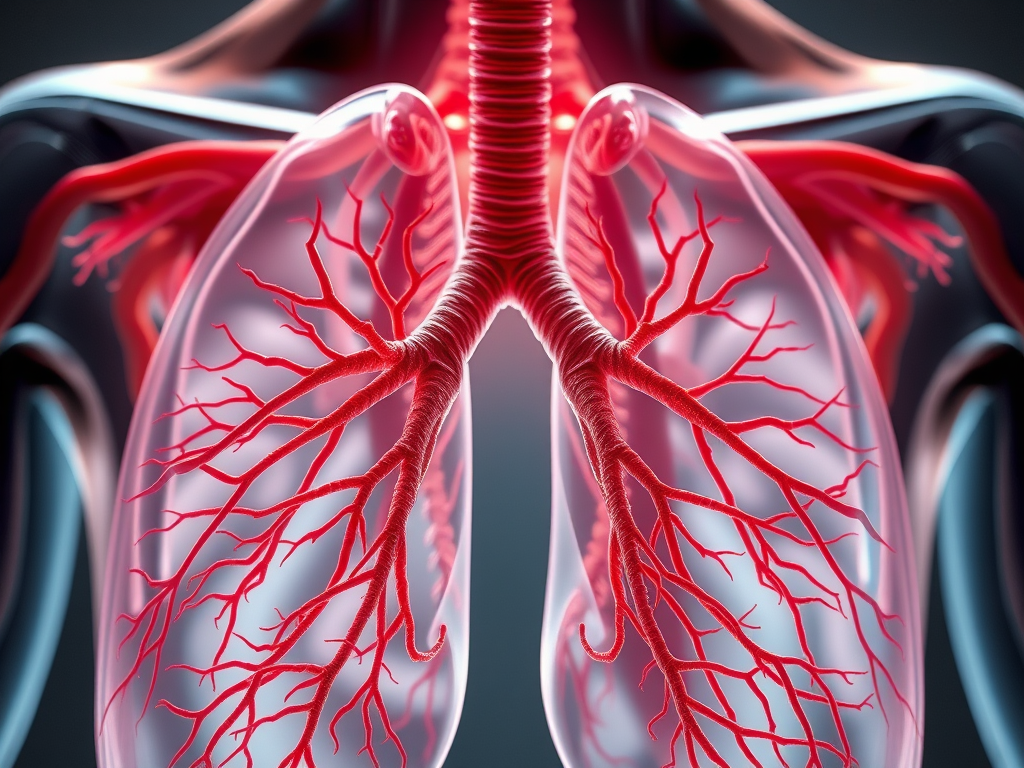
Anatomy of Lungs
The lungs, vital for breathing and gas exchange, are located in the thoracic cavity, protected by the rib cage. They consist of lobes enabling efficient respiration. Key features include the diaphragm, hilum for air passage, and various lung surfaces. Understanding lung anatomy is essential for respiratory disease diagnosis and treatment.
 MBBSWALAH