
-
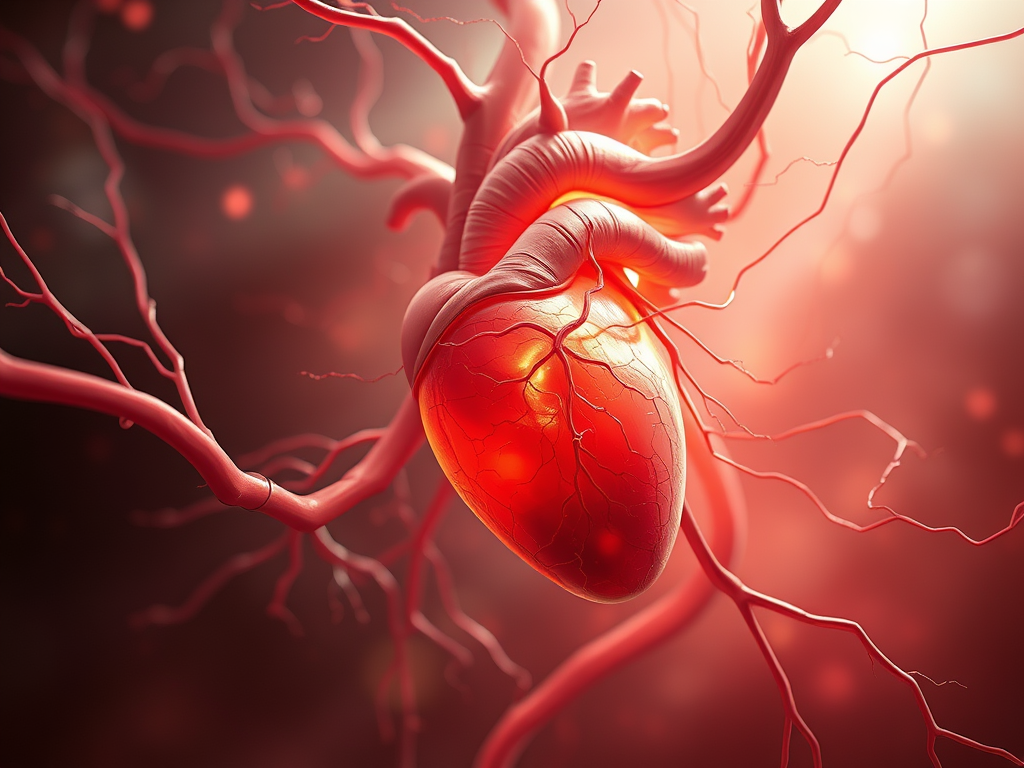
Understanding Fetal Circulation: Key Features and Functions
The fetal circulatory system enables growth within the womb, utilizing the placenta for oxygen and nutrient transfer while bypassing non-functional lungs and liver through specialized shunts. At birth, significant changes occur, transitioning to independent circulation as these shunts close, allowing normal blood flow through the lungs and liver for the newborn.
-
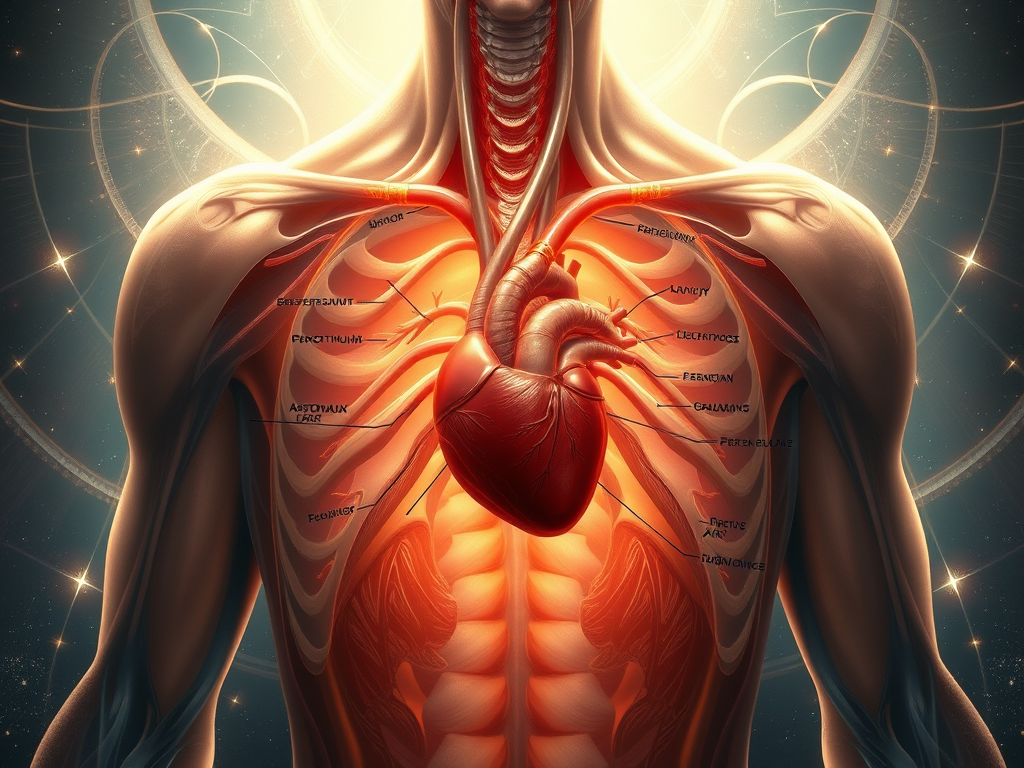
Understanding the Mediastinum & Pericardium: Anatomy and Function Explained
The thoracic cavity contains vital organs such as the lungs and heart, divided into the pleural cavities and mediastinum. The mediastinum, crucial for organ protection and function, is organized into compartments. The pericardium protects the heart, preventing overloading, reducing friction, and stabilizing its position. Understanding these structures aids in diagnosing conditions.
-

Internal Anatomy of the Heart Explained
The heart consists of four chambers: right atrium, right ventricle, left atrium, and left ventricle, each performing specific functions in blood circulation. Valves maintain one-way blood flow, while septa separate oxygenated from deoxygenated blood. Its structure, including the electrical conduction system, ensures efficient pumping, vital for sustaining life.
 MBBSWALAH